 Skip to content

If you find yourself thinking “All I want to do is sleep” more days than not, you’re experiencing something far more significant than laziness or poor time management. This overwhelming urge to retreat into sleep—even after a full night’s rest—often signals an underlying mental health condition, most commonly depression. The constant fatigue and wanting to sleep that accompanies depression isn’t about lacking willpower; it’s a neurobiological response to chemical imbalances in your brain that affect both mood regulation and energy levels.
Understanding the connection between excessive sleep and mental health is the first step toward getting effective help. This article explores why depression makes you want to sleep all the time, how to recognize when your sleep patterns indicate a clinical concern, and what evidence-based treatment looks like when hypersomnia stems from a mental health condition rather than a sleep disorder alone.
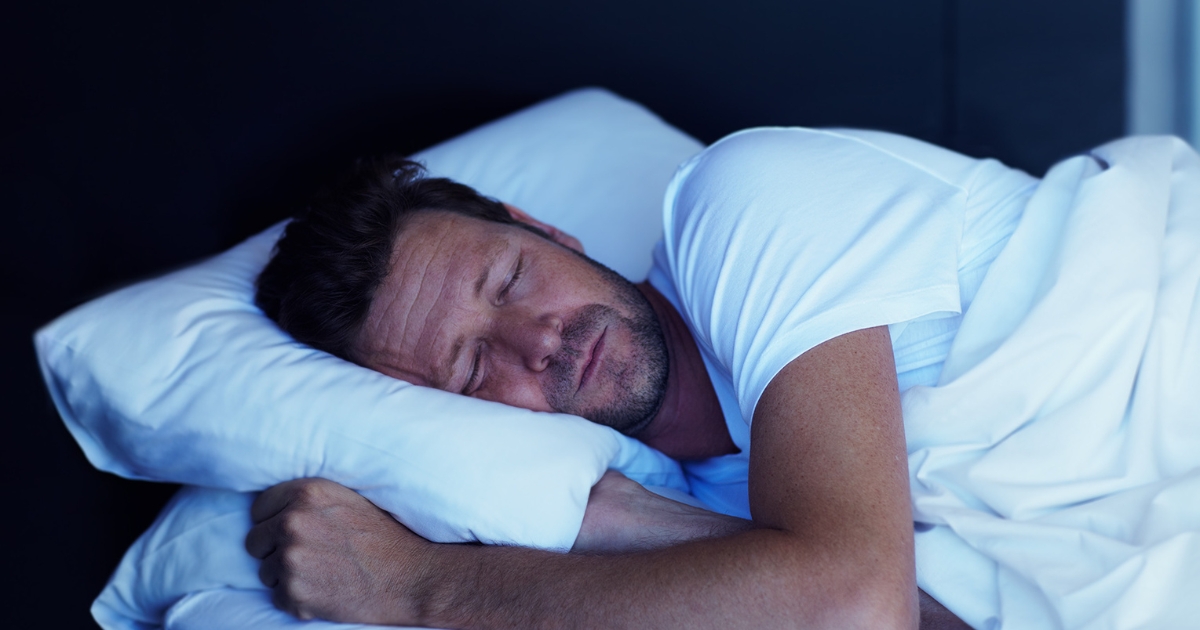
Why Depression Makes You Want to Sleep All the Time
Depression fundamentally alters brain chemistry in ways that directly impact your sleep-wake cycle. When serotonin and dopamine levels drop—two neurotransmitters essential for mood regulation and motivation—your brain’s circadian rhythm becomes disrupted.
The fatigue that comes with depression differs markedly from the tiredness you feel after a long workday or intense exercise. Depression-related exhaustion persists regardless of how much you sleep, often leaving you feeling heavy, foggy, and unable to muster energy even for small tasks.
This creates a particularly painful cycle: sleeping excessively leads to guilt and self-criticism, which deepens depressive symptoms, which in turn increases the desire to escape into sleep. Your brain may unconsciously use sleep as a coping mechanism to avoid emotional pain.
| Depression-Related Fatigue | Normal Physical Tiredness |
|---|---|
| Persists after 8-10+ hours of sleep | Improves with adequate rest |
| Accompanied by emotional numbness or hopelessness | Mood remains stable or positive |
| Difficulty initiating activities despite rest | Energy returns for valued activities |
| Sleep feels like escape from emotional pain | Sleep serves restorative function |
Recognizing When Excessive Daytime Sleepiness Signals Depression
Hypersomnia mental health concerns extend beyond simply sleeping many hours. Many people search for “Sleeping too much is a sign of what condition?” Understanding this requires looking at the broader symptom picture, not just sleep duration alone. The pattern involves a constellation of symptoms that together indicate clinical depression rather than a temporary period of exhaustion or a primary sleep disorder. Certain warning signs help distinguish depression from other causes.
When “All I want to do is sleep” becomes your dominant thought pattern, the sleep disturbance exists within a broader context of mood and cognitive symptoms that have persisted for at least two weeks.
- Sleeping 10 or more hours regularly but waking up feeling just as exhausted as when you went to bed
- Using sleep deliberately to avoid facing emotions, responsibilities, or social interactions
- Experiencing a marked decrease in pleasure or interest in hobbies, relationships, or activities that previously brought satisfaction
- Struggling to get out of bed even after adequate sleep, often lying awake but unable to motivate yourself to start the day
- Withdrawing from friends and family, canceling plans, or isolating yourself more than usual
- Noticing persistent low mood, emptiness, or hopelessness lasting two or more weeks
Seasonal and Situational Patterns That Mimic Depression
It’s important to distinguish depression-related hypersomnia from other conditions that cause excessive daytime sleepiness and depression-like symptoms. Sleep apnea, narcolepsy, thyroid disorders, and chronic fatigue syndrome can all produce overwhelming tiredness, but they typically lack the emotional and cognitive symptoms central to depression. Seasonal affective disorder presents with hypersomnia during fall and winter months specifically, while burnout-related exhaustion usually connects clearly to prolonged workplace or caregiving stress.
How Mental Health Treatment Addresses Constant Fatigue and Oversleeping
Effective treatment for the persistent feeling that all you want to do is sleep targets both the underlying mood disorder and the sleep disturbance simultaneously. Cognitive behavioral therapy for depression helps you identify and change thought patterns that perpetuate both low mood and avoidance behaviors like excessive sleep. Therapists work with you to gradually increase activity levels, establish consistent sleep-wake schedules, and develop healthier coping strategies for emotional distress.
During an initial mental health assessment, clinicians conduct a comprehensive evaluation that includes your sleep history, mood symptoms, and medical conditions. They’ll ask detailed questions about when your sleep changes began, how they’ve progressed, and what other symptoms you’ve experienced.
| Treatment Component | How It Addresses Sleep | Typical Timeline |
|---|---|---|
| Cognitive Behavioral Therapy | Restructures thoughts about sleep and activity; establishes behavioral activation | 6-12 weeks for noticeable improvement |
| Light Therapy | Regulates circadian rhythm, particularly for seasonal patterns | 1-2 weeks for initial response |
| Sleep Hygiene Adjustments | Creates consistent sleep-wake schedule; reduces time in bed when not sleeping | 2-4 weeks for pattern establishment |
Addressing oversleeping caused by depression requires more than willpower. Many people ask how to stop oversleeping from depression, and the answer lies in treating the root neurochemical imbalance while implementing practical strategies that support recovery. Gentle physical activity, even brief walks, helps regulate mood and energy. Exposure to bright light in the morning signals your brain to reduce melatonin production and increase alertness. Structured daily routines create external scaffolding that supports getting out of bed and engaging with life even when motivation feels absent.
Recognizing When to Seek Professional Help
If the feeling that “All I want to do is sleep” interferes with work, relationships, or daily functioning, or if you notice thoughts of worthlessness or hopelessness accompanying the fatigue, professional evaluation is appropriate. Depression is a medical condition that responds to treatment, not a character flaw requiring you to simply “try harder.” If you’re experiencing thoughts of self-harm or suicide alongside overwhelming fatigue, call or text 988 to reach the Suicide & Crisis Lifeline, available 24/7. Reaching out to a mental health provider demonstrates strength and self-awareness, not weakness.

Compassionate Depression Treatment at Northern California Mental Health
At Northern California Mental Health, our clinical team understands that sleeping all day is a symptom of depression—and we provide comprehensive assessment and evidence-based treatment for the full spectrum of depressive symptoms, including hypersomnia and persistent fatigue. We’ve helped countless clients rediscover energy, purpose, and engagement with life. Our approach integrates individual therapy and lifestyle interventions tailored to your specific needs and circumstances. Recovery is possible, and you don’t have to navigate this alone. Contact Northern California Mental Health today to schedule a confidential assessment and take the first step toward reclaiming your energy, motivation, and quality of life.
FAQs
These frequently asked questions address common concerns about the relationship between depression and excessive sleep, helping you understand when professional evaluation is appropriate.
1. Why do I sleep so much when depressed?
Depression alters brain chemistry, particularly serotonin and dopamine levels, which regulate both mood and sleep-wake cycles. This neurobiological disruption leads to hypersomnia, where your brain may use sleep as a coping mechanism to escape emotional pain. The cycle becomes self-reinforcing: depression drives excessive sleep, which then worsens depressive symptoms through increased isolation and guilt.
2. Is sleeping all day a symptom of depression or am I just lazy?
Sleeping all day is a legitimate clinical symptom of depression called hypersomnia, not laziness or lack of willpower. Depression is a medical condition affecting your brain’s ability to regulate energy, motivation, and sleep patterns. If this pattern persists alongside low mood, loss of interest in activities, or feelings of worthlessness, it warrants professional evaluation rather than self-blame.
3. How much sleep is too much when it comes to mental health?
While individual sleep needs vary, consistently sleeping more than nine to 10 hours per day while still feeling exhausted may indicate depression or another mental health condition. The quality of your waking hours matters as much as duration—if you’re using sleep to avoid emotions or responsibilities, or if you feel no better despite extended rest, these patterns suggest a clinical concern worth discussing with a provider.
4. Can depression make you tired all the time even after sleeping?
Yes, depression causes persistent fatigue that isn’t relieved by sleep because it stems from neurochemical imbalances rather than physical exhaustion. Many people whose depression leaves them tired all the time report feeling exhausted on waking regardless of how many hours they slept, often describing the sensation as feeling heavy or weighted down. This unrefreshing sleep is a hallmark feature distinguishing depression from simple tiredness.
5. How long does it take for depression treatment to improve excessive sleeping?
Most people begin noticing improvements in sleep patterns and energy levels within four to six weeks of starting appropriate treatment. However, timelines vary by individual—some experience changes within two to three weeks while others may need eight to 12 weeks of consistent treatment to see significant improvement. Working closely with your treatment team and maintaining regular appointments supports the best outcomes.


