 Skip to content

Key Takeaways
- Serotonin is a neurotransmitter that helps regulate mood, sleep, appetite, digestion, and energy.
- Most of the body’s serotonin is made in the gut, but the brain produces its own supply for mood regulation.
- Serotonin deficiency may contribute to low mood, anxiety, fatigue, and poor sleep, though depression usually has several causes.
- Serotonin syndrome is the opposite problem: too much serotonin activity, most often from combining medications.
- SSRIs, therapy, and healthy daily habits can all play a role in depression treatment.
Some days you wake up focused and steady. Other days, small tasks feel heavy, and your mood dips for no clear reason. Many factors shape how you feel, and one of the most studied is a brain chemical called serotonin.
So, what is serotonin, and why does it matter for your mental health? This guide explains how serotonin works, how it affects your mood and energy, the warning signs of an imbalance, and the treatment options that can help.
What Is Serotonin and How It Controls Your Mood and Energy Levels
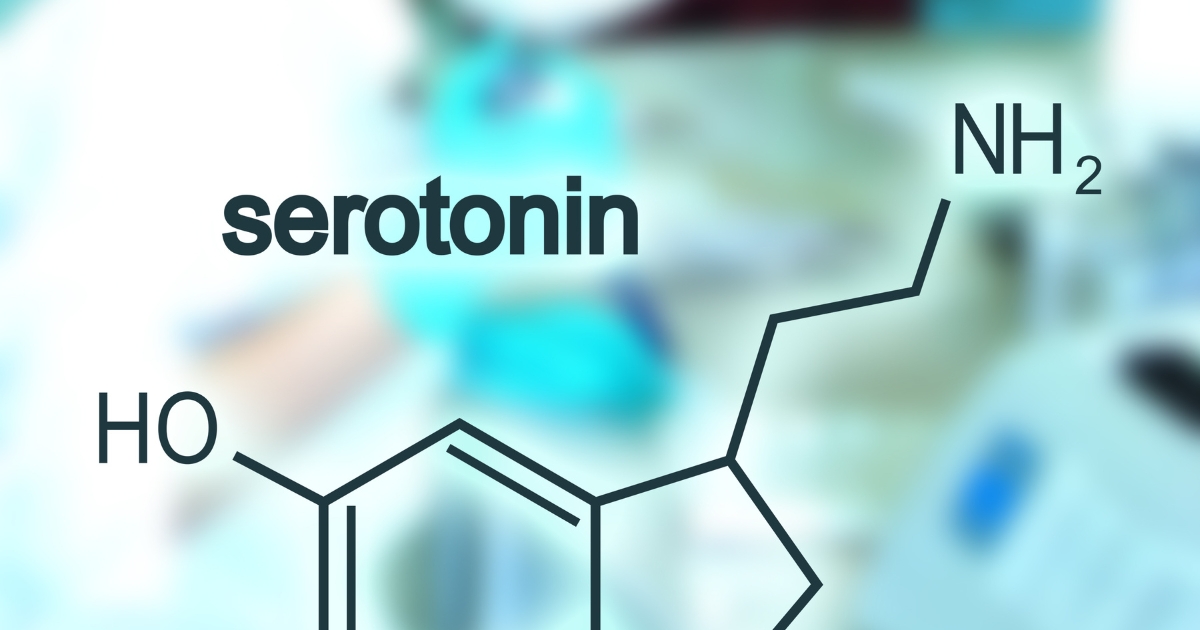
What is serotonin in simple terms? It is a chemical messenger, also called 5-hydroxytryptamine (5-HT), that your body makes from tryptophan, an essential amino acid found in foods like eggs, turkey, cheese, nuts, and salmon. Serotonin acts in the brain, the gut, the blood, and several other body systems, as outlined in the National Library of Medicine’s StatPearls review of serotonin physiology.
The Role of Serotonin as a Neurotransmitter
As a neurotransmitter, serotonin carries signals between nerve cells. One neuron releases serotonin into a tiny gap called a synapse, where it binds to receptors on the next neuron and passes the message along.
After the signal is sent, the first neuron pulls serotonin back in through a process called reuptake. This recycling system helps keep serotonin levels in balance, and it is the target of some of the most widely used antidepressants.
Most of the body’s serotonin is produced in the gut. That serotonin does not travel into the brain, so brain cells make their own supply.
Why Serotonin Matters for Your Daily Functioning
Serotonin influences many processes you rely on every day, including:
- Mood and emotional balance
- Sleep, since serotonin is the building block of melatonin
- Appetite and digestion
- Memory and learning
- Blood clotting and wound healing
- Sexual function
When serotonin signaling works well, these systems tend to stay in rhythm. When it is disrupted, the effects can show up in both your mind and your body.
How Serotonin Regulates Your Mood
Serotonin is often called a “feel-good” chemical, but that label is too simple. Its main role in mood regulation is to help keep emotions stable, so you can respond to stress without feeling overwhelmed.
The Connection Between Serotonin Levels and Emotional Well-Being
Healthy serotonin activity is linked to feeling calm, focused, and emotionally steady. Lower serotonin activity has been associated with depression, anxiety, irritability, and obsessive thoughts.
Still, depression is not caused by low serotonin alone. Genetics, chronic stress, trauma, medical conditions, sleep problems, and life circumstances all play a part. Serotonin is one important piece of the picture, which is why effective care looks at the whole person.
Serotonin’s Impact on Energy and Motivation
Serotonin affects energy largely through sleep. Your body uses serotonin to make melatonin, the hormone that guides your sleep-wake cycle. When serotonin signaling is off, sleep often suffers, and poor sleep leads to daytime fatigue, low focus, and reduced motivation.
Serotonin also works alongside dopamine, the brain chemical tied to reward and drive. Together, they help balance patience and impulse control with the motivation to act. When that balance shifts, people may feel sluggish, unmotivated, or mentally foggy, even after a full night in bed.
Recognizing Serotonin Deficiency Symptoms
Serotonin levels in the brain cannot be measured with a simple blood test, so serotonin deficiency is usually identified by symptoms rather than lab results. Those symptoms overlap with many other conditions, which is why a professional evaluation matters.
Physical and Emotional Signs of Low Serotonin
Emotional signs may include:
- Persistent sadness or low mood
- Anxiety, worry, or panic
- Irritability or anger
- Obsessive or intrusive thoughts
- Loss of interest in activities you used to enjoy
Physical signs may include:
- Ongoing fatigue or low energy
- Trouble falling or staying asleep
- Changes in appetite
- Digestive problems
- Difficulty concentrating
When to Seek Professional Help
Reach out to a mental health professional if symptoms linger for weeks, affect your work or relationships, or keep coming back. A provider can screen for depression and anxiety, rule out medical causes such as thyroid problems, and build a plan that fits your needs.
If you are having thoughts of suicide or self-harm, call or text the 988 Suicide & Crisis Lifeline at 988. In a life-threatening emergency, call 911.
Serotonin Syndrome: Understanding the Risks
Serotonin syndrome is a potentially life-threatening drug reaction that happens when too much serotonin builds up in the body. According to MedlinePlus, the National Library of Medicine’s consumer health resource, it most often occurs when two or more medicines or drugs that affect serotonin are taken together, such as an SSRI combined with a migraine medicine called a triptan. Certain street drugs, including ecstasy and cocaine, have also been linked to it.
The risk is highest when you start a new medication or increase a dose. Symptoms can appear within minutes to hours and may include:
- Agitation or restlessness
- Fast heartbeat and high blood pressure
- High body temperature
- Muscle twitching, overactive reflexes, or loss of coordination
- Nausea, vomiting, or diarrhea
- Hallucinations
Untreated, serotonin syndrome can be deadly. Seek emergency care right away if these symptoms appear, and always tell your providers about every medication and supplement you take.
How Serotonin Reuptake Inhibitors Work in Treatment
Selective serotonin reuptake inhibitors (SSRIs) are among the most commonly prescribed medications for depression and anxiety. Common examples include citalopram (Celexa), escitalopram (Lexapro), fluoxetine (Prozac), and paroxetine (Paxil). The National Institute of Mental Health’s guide to mental health medications notes that SSRIs are widely used because they improve a broad range of depressive and anxiety symptoms with fewer side effects than older antidepressants.
The Mechanism Behind SSRIs and Mood Regulation
SSRIs block the reuptake of serotonin, so more of it stays available in the synapse to pass signals between neurons. The brain adapts to this change gradually, which is why benefits build over several weeks rather than overnight.
According to NIMH, antidepressants usually take 4 to 8 weeks to work, and sleep, appetite, energy, and concentration often improve before mood lifts. Common side effects include upset stomach, headache, and sexual problems, which are generally mild and tend to fade with time. SSRIs work best as part of a complete depression treatment plan that often includes therapy, and you should never stop taking one without your provider’s guidance.
Natural Ways to Boost Serotonin Production
Lifestyle habits can support healthy serotonin production and overall mood. A 2007 review in the Journal of Psychiatry & Neuroscience described several non-drug approaches that may raise serotonin in the brain, and other everyday habits can support the same systems:
- Get regular bright light. The review found that serotonin production in the brain tends to rise with more hours of sunlight.
- Exercise regularly. Physical activity is one of the most studied natural ways to support serotonin and lift mood.
- Make time for activities that improve your mood. Early research suggests a positive mood may itself support serotonin production.
- Eat a balanced diet. Include tryptophan sources like eggs, poultry, tofu, and seeds, but know that food alone has a limited effect on brain serotonin.
- Protect your sleep. A consistent sleep schedule supports the serotonin-melatonin cycle.
- Manage stress. Mindfulness, deep breathing, and time with supportive people can help you feel more grounded.
Talk to your provider before taking supplements such as 5-HTP or St. John’s wort, especially if you take other medications.
Getting Support at Northern California Mental Health
If you have been searching “what is serotonin” because your mood or energy feels off, you do not have to figure it out alone. Northern California Mental Health provides compassionate, evidence-based care for adults in Sacramento living with depression, anxiety, trauma, and other mental health conditions.
Our team offers individual, group, and family therapy, along with approaches such as cognitive behavioral therapy (CBT) and dialectical behavior therapy (DBT). Care is available across several levels, including residential treatment, intensive outpatient, outpatient, and virtual programs, so you can get the support that fits your needs.
Contact Northern California Mental Health today to schedule a free, confidential evaluation and take the first step toward feeling more balanced and energized.

FAQs
-
Can low serotonin levels cause both depression and chronic fatigue simultaneously?
They can occur together. Low serotonin activity can affect mood, and because serotonin is needed to make melatonin, it can also disrupt sleep and leave you tired during the day. Fatigue is a common symptom of depression itself, so a provider should also rule out other causes, such as thyroid problems or anemia.
-
How quickly do serotonin reuptake inhibitors begin affecting mood regulation after starting treatment?
Most people need 4 to 8 weeks to feel the full effect of an SSRI. Improvements in sleep, appetite, and energy often show up before mood lifts. If you don’t notice progress, your provider may adjust the dose or try a different medication.
-
What’s the difference between serotonin deficiency and serotonin syndrome symptoms?
Serotonin deficiency is linked to too little serotonin activity and tends to develop slowly, with signs like low mood, fatigue, and poor sleep. Serotonin syndrome is caused by too much serotonin activity, usually from medications, and comes on quickly. It brings symptoms such as agitation, a fast heartbeat, high body temperature, and muscle twitching, and it needs prompt medical care.
-
Does increasing serotonin production through diet alone treat clinical depression effectively?
No. A balanced diet supports overall mental health, but food has a limited effect on brain serotonin and is not a treatment for clinical depression on its own. Evidence-based depression treatment usually involves therapy, medication, or both.
-
Why do some people experience serotonin syndrome while taking multiple medications together?
Many medications and supplements raise serotonin in different ways. When two or more are combined, such as an SSRI with a triptan or St. John’s wort, their effects can add up and push serotonin activity too high. Sharing a complete list of your medications and supplements with every provider is one of the best ways to prevent it.
References
- StatPearls. Physiology, Serotonin. National Library of Medicine, NCBI Bookshelf.
- National Institute of Mental Health. Mental Health Medications. U.S. Department of Health and Human Services.
- MedlinePlus. Serotonin Syndrome. U.S. National Library of Medicine.
- Young, S. N. (2007). How to increase serotonin in the human brain without drugs. Journal of Psychiatry & Neuroscience, 32(6), 394–399.


